Mastering Texture and Flow: The Practical Guide to Natural Bristle Painting Brush Sets
There is a distinct tactile difference between dragging a synthetic filament across a canvas and feeling the responsive drag of natural hair. For artists, decorators, and hobbyists, selecting the right Painting Brushes Set. Natural Bristle options is often the turning point between a frustrating application and a professional finish. While synthetic technology has advanced significantly, natural bristles remain the gold standard for specific mediums, techniques, and textures that man-made fibers simply cannot replicate.
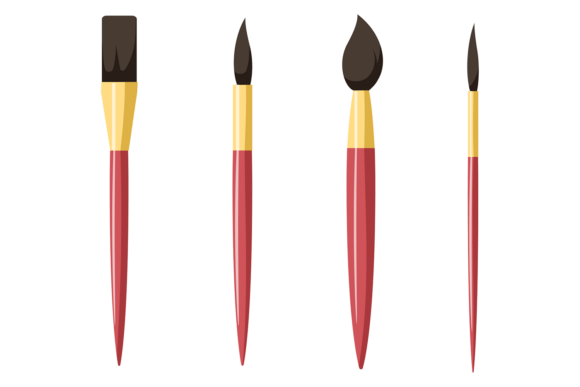
Understanding these tools goes beyond merely buying a kit. It requires knowing how animal hair interacts with oil, varnish, and heavy body acrylics. Whether you are sourcing physical tools for your studio or looking for digital assets like a painting brushes set icon isolated on white background EPS, JPG, SVG, or transparent PNG for design projects, appreciating the anatomy of natural bristle tools is essential for authentic representation and practical application.
The Unique Mechanics of Natural Filaments
Natural bristles are not uniform plastic strands; they are biological structures with microscopic scales and split ends known as "flags." These flags are the secret weapon of natural hair brushes. They act as tiny reservoirs that hold paint within the belly of the brush, releasing it gradually as pressure is applied. This results in a smoother flow and better control compared to many synthetics, which tend to dump their load all at once or streak when loaded heavily.
When evaluating a Painting Brushes Set. Natural Bristle varieties offer superior snap and resilience, particularly when working with viscous materials. Hog hair, for example, is stiff enough to push heavy oil paint into the weave of a linen canvas, creating texture rather than just sitting on top of it. Sable and squirrel, conversely, are prized for their ability to hold immense amounts of fluid while maintaining a razor-sharp point, making them indispensable for watercolor washes and fine detail work in oils.
Matching Hair Type to Medium
Not all natural bristles serve the same purpose. A common mistake is assuming "natural" means "universal." To get the most out of your investment, you must align the hair type with your specific workflow:
- Hog Bristle: The workhorse for oil painting. Its stiffness allows for impasto techniques, blending thick colors, and scrubbing underpaintings. It wears down over time, developing a chisel edge that many painters actually prefer for expressive marks.
- Kolinsky Sable: The premium choice for watercolor and detailed oil work. It offers unmatched spring and liquid capacity. While expensive, a single high-quality sable brush often outlasts dozens of cheaper alternatives if cared for properly.
- Squirrel and Goat: Extremely soft with zero memory. These are ideal for glazing, delicate washes, and dusting off dry pigment. They lack the snap needed for moving heavy paint but excel at laying down smooth, streak-free layers of thin medium.
- Badger and Ox: Often used in varnishing brushes and house painting. They provide a balance between softness and stiffness, perfect for smoothing out finishes without leaving brush marks.
Digital Representation and Design Assets
In the modern creative ecosystem, the need for accurate visual representation of traditional tools extends into graphic design, web development, and educational content creation. When designing interfaces for art supply e-commerce sites, creating tutorials, or building inventory management systems, designers frequently require high-fidelity vector graphics.
This is where the search for a painting brushes set. Natural bristle tools icon isolated on white background EPS, JPG, SVG, transparent PNG becomes relevant. Having access to clean, scalable vector files (EPS/SVG) ensures that the intricate details of ferrules, handles, and bristle textures remain crisp at any size. Raster formats like JPG and transparent PNGs serve immediate web needs, allowing designers to overlay these classic tool icons onto dark modes or complex backgrounds without unsightly white boxes. Accurate digital assets help bridge the gap between traditional craftsmanship and modern digital user experiences, ensuring that online shoppers and students recognize the quality of natural bristle sets before they even touch them.
Evaluating Quality Before Purchase
Walking into an art store or browsing online can be overwhelming. Price is rarely a reliable indicator of performance when it comes to natural hair. Instead, focus on construction and material integrity. A high-quality Painting Brushes Set. Natural Bristle components should exhibit specific characteristics that signal longevity and performance.
- The Ferrule Connection: Check where the metal meets the handle. It should be seamless and securely crimped. Loose ferrules lead to shedding and wobbly heads. Stainless steel or nickel-plated brass resists corrosion from solvents and water.
- Bristle Density: Gently splay the bristles. High-quality natural brushes have dense packing near the base. Sparse brushes may look full when dry but collapse uselessly when wet. Density equals paint capacity and control.
- Hair Length Ratio: The length of the exposed hair relative to the width of the ferrule matters. Longer hairs hold more paint but offer less control; shorter hairs provide precision but require frequent reloading. Ensure the ratio matches your intended technique.
- Handle Balance: Pick up the brush. Does it feel front-heavy? A well-balanced brush reduces hand fatigue during long sessions. Wooden handles should be sealed to prevent swelling from solvent exposure.
Maintenance and Longevity Strategies
Natural bristles are organic materials that degrade if neglected. Unlike synthetics, they can rot, become brittle, or lose their shape permanently. However, with proper stewardship, a good natural bristle set can last decades. The key is understanding that cleaning is not just about removing color; it is about preserving the protein structure of the hair.
Never let natural brushes soak upright in a jar of solvent or water. The weight of the handle bends the wet bristles against the bottom, permanently ruining the point or chisel edge. Always clean horizontally or suspended. For oil painters, using a dedicated brush soap containing conditioning agents helps replenish natural oils stripped by turpentine or mineral spirits. Watercolorists should avoid hot water, which can dissolve the glue in the ferrule and damage the hair cuticle.
Reshaping after washing is non-negotiable. Gently reform the tip with your fingers or a shaping gum while damp, then lay flat to dry. This simple habit maintains the factory profile far longer than air-drying in random positions. Remember that natural bristles are an investment; treating them as disposable tools negates their primary advantage over synthetics.
Integrating Natural Tools into Modern Workflows
Contemporary art and decoration often blend traditional and modern methods. Many artists now use hybrid approaches, utilizing synthetic flats for blocking in large areas quickly, then switching to a Painting Brushes Set. Natural Bristle for the final stages where texture, blending, and luminosity matter most. This selective application maximizes the lifespan of expensive natural brushes while maintaining efficiency.
In interior design and restoration, natural bristle tools have seen a resurgence alongside the lime wash and milk paint trends. Modern latex paints often favor synthetics, but traditional breathable coatings demand the absorbency and softness of natural goat or badger hair to achieve historically accurate, cloud-free finishes. Understanding this material compatibility prevents costly rework and ensures the final surface honors both the medium and the substrate.
Ultimately, choosing natural bristles is a commitment to a specific sensory experience and level of craftsmanship. Whether you are physically applying pigment to a surface or digitally curating resources via SVG and PNG assets, respecting the unique properties of these tools elevates the quality of the outcome. They demand more care than their synthetic counterparts, but they reward that attention with a responsiveness and depth that continues to define professional standards across centuries of artistic practice.