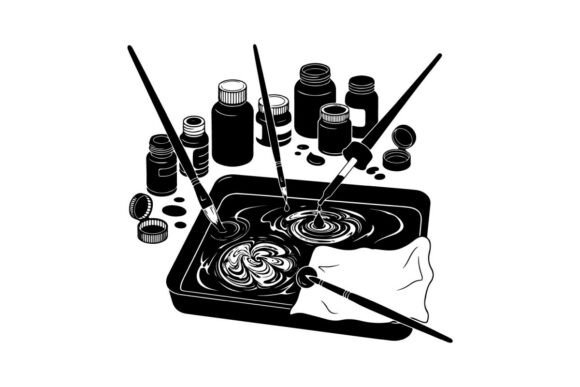
Mastering Minimalist Design with Ink Painting Tools and Silhouette Vector Art
In the ever-evolving landscape of digital creativity, the intersection of traditional artistic expression and modern technological efficiency has created a unique niche for designers. The fusion of Ink Painting Tools and Brushes Vector Illustrations with Minimal Silhouette Clip Art represents more than just a collection of digital assets; it signifies a shift toward cleaner, more versatile, and highly scalable design methodologies. For general readers, hobbyists, and professional creators alike, understanding how to leverage these specific types of vector graphics can transform a cluttered workflow into a streamlined creative process. This article explores the significance, technical advantages, and practical applications of using refined silhouette art and ink-style vectors in contemporary projects.
The Philosophy of Minimalist Silhouette Design
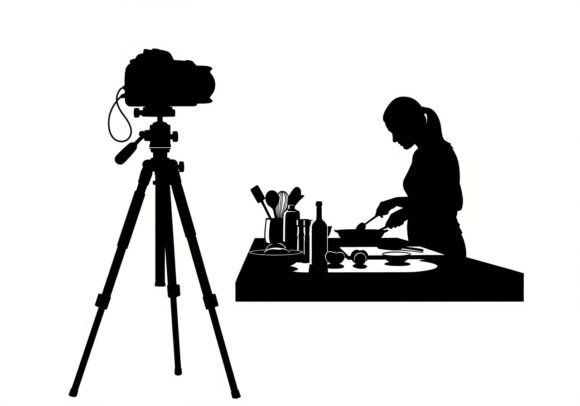
To truly appreciate the value of minimal silhouette clip art, one must first understand the design philosophy behind it. Unlike complex raster illustrations that rely on shading, gradients, and pixel density, silhouettes focus entirely on shape, form, and negative space. This reductionist approach is not merely an aesthetic choice but a functional necessity in modern design. When we describe artwork as having a "clean, scalable design-ready" quality, we are referring to its ability to communicate a concept instantly without visual noise.
The primary purpose of this style is versatility. A well-crafted silhouette removes cultural and contextual barriers, allowing the image to adapt seamlessly to any concept. Whether you are designing a logo for a high-end spa, creating educational materials for early childhood development, or producing merchandise for a streetwear brand, the same fundamental shape can serve multiple masters. This adaptability is what makes minimal silhouette art a reliable asset for businesses and independent creators. It strips away the superfluous to highlight the essential, ensuring that the core message remains intact regardless of the medium or scale.
Bridging Tradition and Technology: Ink Painting Vectors
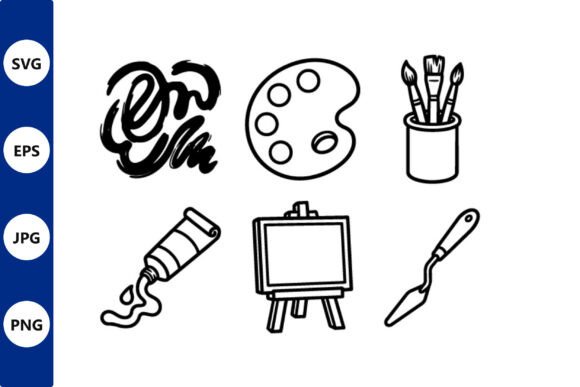
While minimal silhouettes offer structural clarity, Ink Painting Tools and Brushes Vector Illustrations bring organic texture and cultural depth to digital work. Traditionally, ink painting is a discipline rooted in patience, fluid motion, and irreversible strokes. Digitizing this aesthetic into vector format solves several historical limitations. In a physical setting, an ink splatter cannot be undone or resized without losing fidelity. In a vector environment, however, that same expressive stroke becomes mathematically precise and infinitely editable.
This combination allows designers to achieve a "handmade" look with digital precision. For those new to this concept, it is important to distinguish between a scanned image of ink and a true vector illustration. A scan is a static picture made of pixels; zoom in, and it becomes blurry. A vector ink brush stroke is defined by paths and anchor points. This means you can stretch an ink splash across a billboard or shrink it to fit a business card, and the edges will remain crisp. This scalability is crucial for maintaining professional-grade design quality across diverse outputs, from web graphics to large-format printing.
Technical Excellence: Why File Format Matters
A common misunderstanding among beginners is assuming all digital art files function identically. However, the utility of Minimal Silhouette Clip Art is entirely dependent on its technical specifications. When acquiring design-ready assets, understanding the included file types is paramount for successful implementation.
- SVG (Scalable Vector Graphics): This is the gold standard for cutting machines like Cricut or Silhouette Cameo, as well as for web design. SVGs contain code-based path data rather than pixel grids. They ensure clean edges for smooth cutting and sharp output at any size. Because they are lightweight and resolution-independent, they are ideal for responsive websites where load times matter.
- EPS (Encapsulated PostScript): Often considered the industry standard for print and professional editing, EPS files are compatible with almost all vector software, including Adobe Illustrator and CorelDRAW. This format preserves the editability of the artwork, allowing designers to modify colors, reshape curves, or combine elements without quality loss.
- PNG (Portable Network Graphics): While not a vector format, high-resolution PNGs (typically 300 DPI at 5000 × 5000 px) serve as a vital bridge for users who may not own vector editing software. With a transparent background, these files allow for immediate drag-and-drop usage in programs like Canva, Word, or basic photo editors. The 300 DPI specification ensures that even the raster version is suitable for high-quality print products.
The inclusion of optimized vector paths is another critical technical detail. Poorly digitized vectors often contain thousands of unnecessary anchor points, which can cause cutting machines to stutter or result in jagged edges when printed. Professional-grade assets prioritize clean, balanced composition and streamlined paths, ensuring easy handling and predictable results.
Practical Applications in Modern Workflows
The true test of any design asset is its relevance to daily activities and professional workflows. The synergy between ink painting vectors and minimal silhouettes extends far beyond simple decoration. Here is how these tools fit into various sectors:
- Branding and Identity: Modern logos demand simplicity to remain recognizable on mobile screens. Minimal silhouettes provide memorable icons, while ink textures add a bespoke, artisanal feel that distinguishes a brand from generic corporate aesthetics.
- Apparel and Merchandise: Screen printing and heat transfer vinyl require distinct separation of colors and clean lines. Scalable vectors eliminate the risk of pixelation on fabric. An ink brush stroke can serve as a dynamic background element, while a silhouette provides the focal point, creating bold statements on t-shirts, tote bags, and mugs.
- Educational Resources: Teachers and curriculum developers utilize clear silhouettes for flashcards, worksheets, and presentations. The lack of distracting detail helps students focus on the subject matter. Furthermore, because these assets are editable, educators can customize skin tones, clothing, or contexts to better reflect their student demographics.
- Digital Content Creation: Social media managers and bloggers use these assets to create cohesive visual themes. The transparency of PNGs and the scalability of SVGs make it easy to maintain a consistent aesthetic across Instagram posts, Pinterest pins, and YouTube thumbnails without recreating assets for each platform.
Overcoming Common Creative Misconceptions
Despite the accessibility of these tools, there are assumptions that can hinder effective use. One prevalent myth is that "minimal" equates to "easy" or "simple-minded." On the contrary, achieving a balanced composition in silhouette art requires a sophisticated understanding of weight, proportion, and recognition. When selecting assets, look for designs that have been refined for maximum versatility rather than those that appear overly simplified to the point of ambiguity.
Another misconception is that vector art is only for experts with expensive software. While mastering Adobe Illustrator takes time, the ecosystem around SVG and PNG files has democratized access. User-friendly platforms and cutting machine software have made it possible for beginners to edit, customize, and adapt professional-grade designs with minimal learning curves. The key is to start with high-quality source files; no amount of beginner skill can fix a fundamentally flawed or low-resolution asset.
Building a Broader Understanding of Digital Assets
Integrating Ink Painting Tools and Brushes Vector Illustrations and Minimal Silhouette Clip Art into your repertoire is about more than just completing a single project; it is about building a sustainable creative library. These assets represent a move toward intentional design. By choosing scalable, clean, and adaptable graphics, creators reduce waste—both digital and physical. There is less need for reprints due to pixelation, less time spent tracing over raster images, and fewer abandoned projects caused by technical limitations.
Furthermore, these tools encourage a hybrid creative mindset. They invite users to think like traditional artists regarding composition and flow, while leveraging the safety net and efficiency of digital technology. Whether you are crafting a bold statement piece for a gallery or a subtle design element for a wedding invitation, the principles remain the same: clarity, quality, and adaptability.
Ultimately, the best design assets are those that disappear into the work, supporting the creator’s vision rather than dominating it. Minimal silhouette clip art and ink vectors excel in this supportive role. They provide the structural bones and the textural soul necessary for compelling visuals, all while respecting the technical demands of modern production. By understanding the "why" and "how" behind these tools, creators at any level can produce work that is not only visually striking but also technically sound and enduringly relevant.