Silhouette Vanity Table Makeup Brushes: Evaluating Vector Assets for Beauty Design
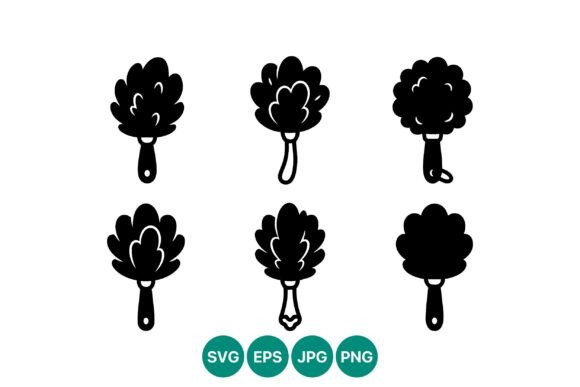
In the realm of digital design and visual branding, the specific aesthetic of a silhouette vanity table with makeup brushes serves as a powerful shorthand for elegance, femininity, and professional beauty services. Unlike photorealistic imagery that captures texture and lighting, a silhouette vector relies entirely on form and negative space to communicate its message. When evaluating resources like the Silhouette Vanity Table Makeup Brushes bundle, designers and business owners must understand not just what the image depicts, but how the technical format influences its utility across different media. This asset category is distinct because it bridges the gap between decorative illustration and functional iconography, offering a versatile solution for everything from salon signage to cosmetic packaging.
Defining the Aesthetic and Functional Distinction
The primary distinction of a silhouette vanity table design lies in its reductionist approach. By stripping away color gradients, shadows, and internal details, the design forces the viewer to focus on the recognizable outline of the furniture and tools. A black silhouette vanity table with makeup brushes and chair creates an immediate association with a dressing area or beauty station without the visual noise of cluttered bottles or specific brand logos. This abstraction is intentional. It allows the graphic to remain timeless and neutral, making it suitable for diverse applications where specific product placement might be distracting or legally problematic.
Functionally, this type of vector art differs significantly from raster-based alternatives. While a photograph of a vanity desk captures a moment in time, the vector representation captures an idea. The inclusion of specific elements like the mirror, chair, and brushes within a single unified shape ensures that the graphic remains legible even when scaled down to the size of a business card or favicon. This scalability is the defining feature that separates professional vector bundles from standard clip art. When you utilize a high-quality silhouette, the curves of the vanity legs and the bristles of the brushes remain mathematically precise regardless of the output size, preserving the sophisticated aesthetic required in the beauty industry.
Technical Formats and Practical Application
When acquiring a silhouette vector bundle, the value proposition is heavily tied to file compatibility. A comprehensive package containing JPG, PNG, AI, EPS, SVG, and PDF formats addresses the fragmented nature of modern design workflows. Understanding when to deploy each format is essential for maximizing the utility of the asset.
- AI and EPS Files: These are the source files for professional designers using Adobe Illustrator or CorelDRAW. They allow for node-level editing, meaning you can adjust the curve of the vanity mirror or thicken the brush handles to match your brand’s line weight. This is critical if the default silhouette proportions do not perfectly align with your existing visual identity.
- SVG Files: Scalable Vector Graphics are the standard for web design. Unlike raster images, SVGs render crisply on retina displays and can be animated via CSS. For a beauty blog or e-commerce site featuring cosmetics, an SVG silhouette loads instantly and scales perfectly across mobile and desktop viewports.
- PNG Files: Essential for non-designers or quick mockups, PNGs offer transparency support. This allows you to overlay the black silhouette vanity table onto colored backgrounds or textured paper designs without a white box appearing around the edges.
- JPG Files: Best suited for social media posts or reference images where transparency is unnecessary and file size needs to be minimized for rapid sharing.
- PDF Files: Often overlooked, vector PDFs are excellent for print production. Many commercial printers prefer PDF submissions for brochures and flyers because they embed the vector data in a universally accessible container.
The requirement to extract these files from a ZIP archive using tools like WinZip or WinRAR is a standard delivery method that preserves file integrity. Users should ensure they have extraction software ready before purchase to avoid workflow interruptions. Once extracted, the organization of these files determines how efficiently you can integrate them into projects ranging from laser cutting templates to digital marketing assets.
Comparing Silhouettes to Alternative Visual Styles
Choosing a silhouette vanity table over other visual styles involves weighing tradeoffs regarding detail, mood, and versatility. It is helpful to compare this approach against line art, flat design, and photography to determine the best fit for your specific project.
Silhouette vs. Line Art
Line art defines objects through strokes and outlines, often leaving the interior empty or sparsely detailed. While line art feels airy and delicate, silhouettes feel solid and grounded. A black silhouette carries more visual weight, making it superior for headers, watermarks, or cut-out vinyl decals. However, line art may be preferable if you need to show internal details, such as the reflection in the mirror or the specific arrangement of bottles on the desk. If the contents of the vanity are as important as the furniture itself, a pure silhouette may be too abstract.
Silhouette vs. Flat Vector Illustration
Flat vector illustrations use solid colors and simplified shapes but retain color differentiation. A flat illustration of a vanity might use pink for the chair, gold for the mirror frame, and brown for the table. This style is more playful and descriptive but less flexible. Changing the color scheme of a flat illustration requires selecting multiple layers. In contrast, a monochrome silhouette can be recolored instantly by changing a single fill attribute. For brands that require strict adherence to a specific color palette or frequent seasonal updates, the silhouette offers greater efficiency.
Silhouette vs. Photography
Photography provides authenticity and emotional connection but suffers from licensing restrictions and stylistic inconsistency. Using a photo of a vanity ties your brand to a specific era, lighting condition, and prop style. A silhouette vector is agnostic; it represents the concept of a vanity rather than a specific piece of furniture. This makes vectors ideal for businesses that want to project a classic, enduring image rather than following fleeting interior design trends. However, if the goal is to showcase a specific product line or demonstrate a makeup technique, photography remains the necessary choice.
Evaluating Fit: When to Choose This Asset Bundle
The decision to utilize a Silhouette Vanity Table Makeup Brushes bundle should be driven by the intended application and the desired level of customization. This resource is particularly well-suited for specific scenarios while being less appropriate for others.
Ideal Use Cases:
- Laser Cutting and CNC: The solid, connected shapes of a silhouette are perfect for physical fabrication. Because there are no floating elements or intricate internal gaps, the design cuts cleanly from wood, acrylic, or vinyl for salon signage and wall decor.
- Merchandise and Apparel: T-shirts, tote bags, and aprons benefit from the high contrast of black silhouettes. The design prints clearly on various fabric colors and remains recognizable from a distance.
- Minimalist Branding: For luxury spas or high-end cosmetic lines, the stark elegance of a black and white vanity conveys sophistication without visual clutter.
- Template Creation: Designers creating editable templates for clients appreciate silhouettes because they act as neutral placeholders that do not clash with client branding.
Limitations and Alternatives:
If your project requires conveying texture (e.g., the softness of a velvet chair or the shine of glass bottles), a silhouette will fail to communicate those tactile qualities. Similarly, if the educational aspect is paramount—such as a diagram showing how to organize a vanity desk—the lack of internal definition in a silhouette makes it ineffective. In these instances, detailed illustrations or annotated diagrams are superior alternatives. Additionally, users without vector editing software may find the AI and EPS files less immediately useful, relying solely on the pre-rendered PNG and JPG versions which cannot be structurally modified.
Making an Informed Decision on Vector Resources
Ultimately, the value of a silhouette vanity table vector bundle extends beyond the visual appeal of the artwork itself. It resides in the flexibility provided by the multi-format delivery and the universal recognition of the subject matter. When comparing options, prioritize bundles that offer true vector paths over traced raster images, as only genuine vectors provide the infinite scalability required for professional print and digital work.
Consider your long-term needs. A bundle that includes the vanity, chair, mirror, and brushes as separate or combinable elements offers more creative freedom than a single flattened image. Verify that the license permits your intended commercial use, whether for client work, personal merchandise, or digital products. By understanding the technical specifications and aesthetic boundaries of silhouette design, you can select resources that enhance your workflow rather than constrain it. The right asset acts as a foundation, allowing you to build a cohesive visual language that resonates with your audience while maintaining the professional standards expected in the beauty and design sectors.