Shaving Brushes Set for Grooming and Mas
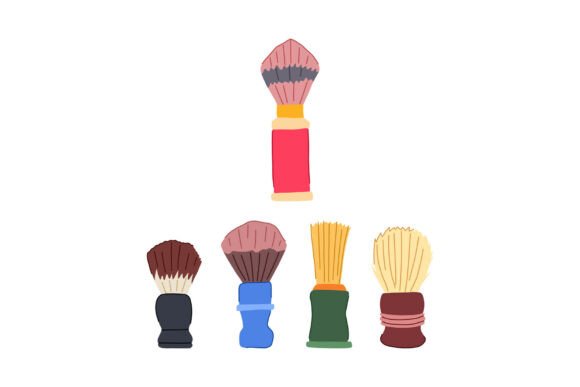
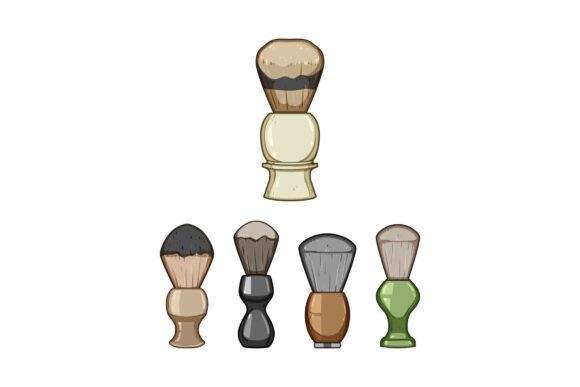
Elevating a daily ritual into an art form requires more than just sharp blades and quality soap; it demands the right tools to bridge the gap between function and luxury. The Shaving Brushes Set for Grooming and Mas represents this intersection, offering an assortment of classic shaving brushes that serve as both practical instruments and aesthetic statements. For designers, brand strategists, and creative professionals who understand that tactile experiences define premium positioning, this collection is a masterclass in traditional craftsmanship meeting modern grooming standards. Each brush in the set features distinct shapes and colors, designed not merely for application but for creating the rich, aerated foam necessary for a truly smooth shave.
From a visual and experiential design perspective, this set embodies the principles of intentional variety. Much like a well-curated typeface family offers different weights and styles to establish visual hierarchy, this assortment provides specific tools for different preferences and skin types. The handles range from ergonomic curves to substantial, weighted cylinders, each finished in hues that evoke heritage and sophistication. This attention to detail mirrors the rigor applied in editorial design or packaging design, where every texture and color choice communicates value before the product is even used. For content creators and marketers documenting the grooming niche, these physical attributes translate directly into compelling visual narratives.
The Mechanics of Lather and Tactile Engagement
The primary function of any shaving brush is hydration and exfoliation, yet the execution varies significantly across the assortment included in the Shaving Brushes Set for Grooming and Mas. Creating a rich foam is a mechanical process that relies on the knot’s density, loft, and backbone. When evaluating this set through the lens of user experience (UX), consider how the physical interaction influences the perceived quality of the shave. A denser brush with a shorter loft generates lather quickly with aggressive scrubbing, ideal for those who view grooming as an efficient, robust task. Conversely, a higher-loft, softer brush requires more patience and circular motion, appealing to users who treat the process as a meditative self-care ritual.
This variance is crucial for brand identity within the personal care space. If you are developing social media graphics or video content around wet shaving, demonstrating these mechanical differences establishes authority and trust. Audiences in the 20–50 demographic, particularly hobbyists and crafters, appreciate technical nuance over generic marketing claims. Showing how a specific brush shape loads soap versus cream, or how different handle materials affect grip when wet, provides the "helpful content" signals search engines prioritize. It transforms a simple product feature list into an educational resource about grooming mechanics.
- Knot Density: Determines water retention and lather generation speed; denser knots hold more product but require proper drying time.
- Handle Ergonomics: Influences control during lathering; textured surfaces prevent slippage, while smooth finishes offer a classic aesthetic.
- Bristle Softness: Dictates face feel and exfoliation level; softer tips suit sensitive skin, while stiffer bristles lift coarse hair effectively.
- Color Coding: Visual differentiation aids in organization and adds decorative appeal to bathroom vanities and retail displays.
Aesthetic Versatility in Creative and Commercial Projects
While primarily a grooming tool, the Shaving Brushes Set for Grooming and Mas serves as a versatile prop and subject for creative professionals. Photographers and stylists will recognize the set’s photogenic qualities; the interplay of matte handles, glossy bristles, and creamy lather creates natural focal points. In web design for barbershops or e-commerce platforms, high-fidelity imagery of these brushes reinforces a commitment to quality. The distinct shapes allow for dynamic composition, avoiding the visual monotony often associated with single-product photography. For publishers producing print magazines or digital lookbooks, the set’s classic styling aligns seamlessly with masculine lifestyle editorial themes.
Beyond photography, the set informs broader design assets. The color palette and material textures can inspire mood boards for logo design or interior concepts for retail spaces. A brand strategist might use the set’s balance of tradition and functionality as a metaphor for a client’s rebrand—honoring heritage while optimizing for contemporary performance. This cross-disciplinary relevance makes the set valuable beyond its immediate utility. It becomes a reference point for discussing texture, form, and user-centric design in workshops or portfolio case studies. When writing copy or designing layouts, referencing specific elements of the set grounds abstract concepts in tangible reality.
Selecting the Right Tool for Specific Needs
Choosing from the assortment requires understanding personal preference alongside technical specification. Just as a designer selects a serif font for tradition or a sans serif font for modernity, a user selects a brush based on desired outcome. Those new to wet shaving should start with mid-density brushes that forgive technique errors while still producing adequate lather. Experienced shavers might gravitate toward specialized shapes that target difficult areas like the jawline or neck. For small business owners stocking retail shelves, offering this curated variety reduces decision fatigue for customers by clearly differentiating each option’s purpose.
Evaluation should also consider maintenance and longevity. Natural fibers require breaking in and careful drying to maintain performance, whereas synthetic alternatives in the set may offer quicker drying times and consistent feel out of the box. This distinction matters for commercial licensing or B2B recommendations; hospitality clients may prefer low-maintenance synthetics, while boutique retailers might prioritize natural materials for their storytelling potential. Testing pairings between brush type and soap consistency is equally important. Hard soaps generally pair better with stiffer brushes, while creams bloom effortlessly with softer knots. Documenting these combinations creates valuable evergreen content that drives organic traffic and builds community trust.
- Assess Skin Sensitivity: Match bristle softness to tolerance levels; avoid stiff boar if prone to irritation or razor burn.
- Determine Product Preference: Align brush density with soap hardness or cream viscosity for optimal lather efficiency.
- Evaluate Handle Comfort: Test grip security with wet hands; weight distribution affects fatigue during extended lathering.
- Consider Drying Environment: Choose materials compatible with available storage; humid bathrooms favor synthetics or treated woods.
- Review Aesthetic Alignment: Ensure color and style complement existing bathroom decor or brand visual language.
Ultimately, the Shaving Brushes Set for Grooming and Mas succeeds because it respects the intelligence of its user. It avoids gimmickry in favor of functional diversity, acknowledging that no single tool serves everyone perfectly. For creatives and entrepreneurs, this philosophy translates directly into better work: understanding audience nuances, providing genuine value, and executing with precision. Whether you are refining your morning routine, styling a photoshoot, or advising a client on product development, this set offers lessons in thoughtful design and authentic engagement. The rich foam it produces is merely the visible result of deeper considerations regarding form, function, and human experience.