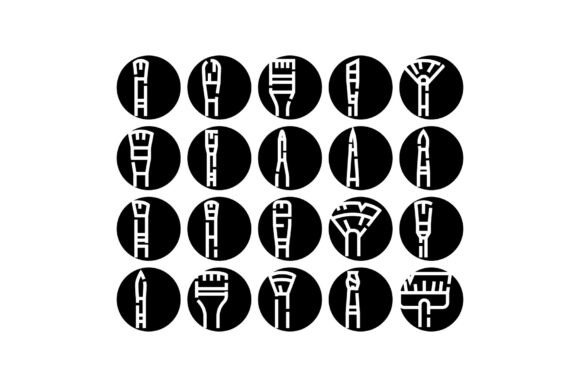
Art Brushes Glyph Icons for Design
Elevating a visual project often comes down to the precision of its smallest details, and integrating a comprehensive Art Brushes and Painting Tools Glyph Ico set can instantly signal creativity and artistic professionalism. For graphic designers and brand strategists, these symbols serve as more than mere decoration; they are functional communication tools that bridge the gap between abstract creative concepts and tangible user interfaces. Whether you are designing an e-commerce platform for art supplies or crafting a brand identity for a design studio, having access to high-quality glyphs illustrating various bristle types and tool shapes ensures your visual language remains authentic and recognizable.
The Role of Glyphs in Visual Communication
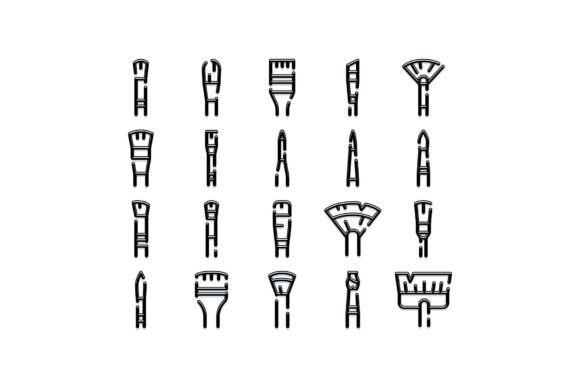
In modern graphic design, clarity is paramount. A Collection of art brushes and painting tools glyph icons illustrating various types of bristles and shapes for artistic concepts, creative equipment, and design elements provides immediate semantic value to the viewer. Unlike complex illustrations, glyphs rely on simplified silhouettes that remain legible at small sizes, making them ideal for UI design and mobile applications. When users navigate a website or app, these icons act as cognitive shortcuts, reducing friction and enhancing the overall user experience.
Beyond usability, these assets play a critical role in establishing visual hierarchy. By using distinct iconography for different categories—such as oil brushes, watercolor palettes, or digital styluses—designers can organize content intuitively without relying heavily on text. This supports cleaner editorial layouts and contributes to a polished, professional presentation that resonates with creative audiences who appreciate attention to detail.
Practical Applications Across Creative Projects
The versatility of art-themed glyphs extends far beyond niche art websites. These creative assets are valuable components in broader branding and marketing strategies where conveying craftsmanship or creativity is essential.
- Brand Identity and Logo Design: Incorporate specific brush shapes into logomarks to communicate artistic services or handmade quality without using generic clip art.
- Social Media Graphics: Use consistent icon styles in Instagram carousels or Pinterest pins to create cohesive templates that reinforce brand recognition.
- Packaging Design: Utilize minimalist tool icons on product labels to indicate brush type or material composition, aiding retail visibility and consumer decision-making.
- Web and UI Design: Enhance navigation menus, filter systems, and feature highlights with scalable vector icons that maintain crispness on retina displays.
- Digital Products and Merchandise: Apply these design elements to stickers, apparel, or digital planner assets to add thematic consistency and aesthetic appeal.
Selecting and Implementing Design Assets Effectively
Choosing the right Art Brushes and Painting Tools Glyph Ico requires evaluating both aesthetic alignment and technical performance. Consistency is the foundation of effective visual design; ensure the stroke weight, corner radius, and negative space of your chosen icons match your existing typography and color palette. Mixing disparate visual styles can disrupt the modern aesthetics of a project and dilute brand authority.
Scalability is another non-negotiable factor. High-quality glyphs must retain their integrity when resized for everything from large-format print design to tiny favicon applications. Test your selected collection across multiple mediums to verify readability. Additionally, consider the cultural and contextual associations of specific tools. A traditional fan brush conveys a different message than a digital airbrush pen, so select imagery that accurately reflects your specific design goals and audience expectations.
Enhancing Composition and Workflow
Integrating these icons should streamline your design workflow rather than complicate it. Opt for collections available in editable vector formats like SVG or AI, allowing you to customize colors and adjust paths to fit unique layout constraints. This flexibility is vital for maintaining a dynamic brand identity that adapts to various touchpoints, from advertising campaigns to internal presentations.
Furthermore, thoughtful placement enhances composition. Use white space effectively around icons to prevent visual clutter, ensuring each symbol has room to breathe. Pairing these graphical elements with complementary typography creates a balanced rhythm that guides the viewer’s eye through the content. When executed correctly, this synergy between type and image elevates the perceived value of the entire creative project.
Ultimately, the power of specialized iconography lies in its ability to communicate complex ideas simply and beautifully. By investing in premium, well-crafted visual resources, designers not only improve the aesthetic quality of their work but also strengthen the functional communication channels that connect brands with their audiences. Thoughtful selection and strategic application of these tools transform standard layouts into compelling visual narratives that inspire confidence and engagement.